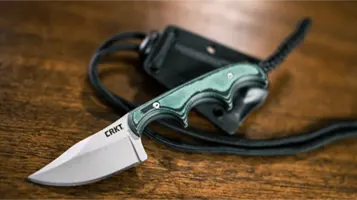
In an increasingly uncertain world, many people consider carrying weapons for self-defense. While firearms often dominate this discussion, knives are another option some explore. But is carrying and training with a knife for self-defense smart, practical, or safe? Let’s examine the issue from multiple angles.
The Appeal of Knives
Knives can seem appealing for self-defense for several reasons:
1. Accessibility: In many jurisdictions, knives are more easily obtained and carried than firearms.
2. Concealability: Many knives are compact and easy to carry discreetly.
3. Utility: Unlike most weapons, knives have everyday uses beyond self-defense.
4. No ammunition: Knives don’t require reloading or risk running out of ammo.
The Realities of Knife Defense
However, the practical application of knives in self-defense scenarios is far more complex:
1. Close-quarters combat: Knife defense requires extremely close proximity to an attacker, which is inherently dangerous.
2. Risk of escalation: Introducing a knife into a confrontation can escalate a situation, potentially turning a non-lethal encounter deadly.
3. Legal implications: Use of a knife, even in self-defense, can result in serious legal consequences depending on your jurisdiction.
4. Skill requirement: Effective knife use requires significant training and practice.
Training Considerations
If one decides to pursue knife training for self-defense, several factors should be considered:
1. Seek professional instruction: Learn from qualified instructors with real-world experience.
2. Focus on awareness and de-escalation: The best self-defense is avoiding confrontation altogether.
3. Train realistically: Understand the chaotic nature of real attacks versus controlled training environments.
4. Learn first aid: Training should include how to treat knife wounds, both for yourself and others.
Safety Concerns
Carrying and training with knives comes with inherent risks:
1. Accidental injury: To yourself or others during everyday carry or training.
2. Weapon retention: Risk of having the knife used against you if disarmed.
3. False sense of security: Overconfidence in your abilities or the effectiveness of a knife for defense.
Legal and Ethical Considerations
Before deciding to carry a knife for self-defense:
1. Research local laws: Understand the legal implications of carrying and using a knife in your area.
2. Consider alternatives: Explore non-lethal self-defense options and general safety practices.
3. Evaluate the ethical implications: Be prepared for the potential consequences of using lethal force.
Conclusion
While knives can be effective tools in certain self-defense scenarios, they come with significant risks and responsibilities. For most individuals, the drawbacks of carrying and training with knives for self-defense outweigh the potential benefits. Focus on situational awareness, de-escalation techniques, and overall personal safety practices as your first line of defense. If you do choose to pursue knife training, do so with a full understanding of the legal, practical, and ethical implications involved.
Remember, the best self-defense is avoiding dangerous situations altogether. Stay safe, stay aware, and prioritize your personal security through smart choices and preparedness.